Thomas Aquinas died in 1274 with the Summa theologiae unfinished. His Dominican brothers, Thomas of Sutton and Hervaeus Natalis among them, were defending him within a generation, and by the sixteenth century the Summa had begun to replace Lombard's Sentences in the Dominican and Spanish schools. Commenting on it became the way theology was done.
The Thomist school is that commentary, kept going. Capreolus defended Thomas against Scotus and the nominalists. Cajetan and Silvestri wrote the classic commentaries, which the Leonine edition, commissioned by Leo XIII, prints beside Thomas's text. The masters of Salamanca carried them into the arguments over grace and freedom; John of St Thomas and the Carmelites of Salamanca built them into complete courses; Billuart fitted them to the eighteenth-century classroom. After Leo XIII's Aeterni Patris in 1879 they reached the twentieth century in Garrigou-Lagrange at Rome and Maritain at Paris, and met their sharpest critics among Thomists themselves: Gilson and Fabro, who read Thomas against his commentators.
The line of the school
15 authors, 35 works in the library →The first defenders
Within two centuries of his death Thomas had Dominicans to answer for him at Oxford, Paris and Toulouse.
- 1225–1274
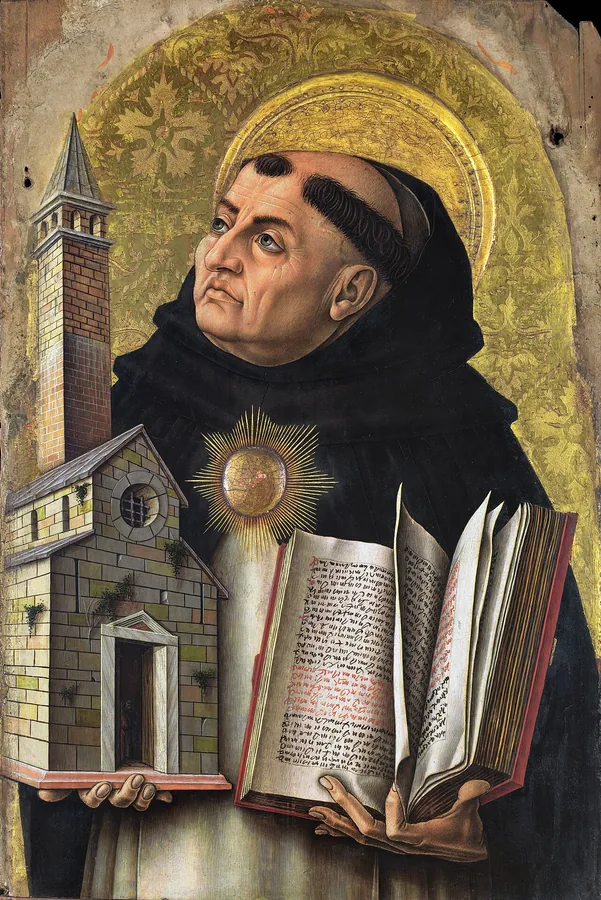 Thomas AquinasThe master. The two Summae are what the school reads, and argues over.Dominican · Latin, English
- c. 1250–1315Thomas of SuttonAt Oxford, one of the first to answer Thomas's critics.Dominican · not yet in the library
- c. 1250–1323Hervaeus NatalisDefended Thomas at Paris, and became Master of the Order in 1318.Dominican · not yet in the library
- c. 1380–1444John CapreolusPrinceps Thomistarum. His Defensiones answered Scotus, Aureoli and the nominalists, article by article.Dominican · no works here yet
Commentators and courses
From Cajetan to Billuart the school wrote on the Summa article by article, and taught it as a complete course.
- 1469–1534
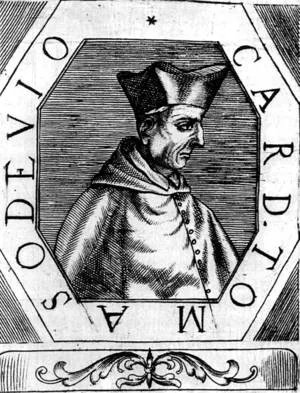 Tommaso de Vio CajetanThe first complete commentary on the Summa, printed beside it in the Leonine edition.Dominican · Latin, English, Spanish
- 1474–1528Francesco SilvestriThe classic commentary on the Summa contra Gentiles.Dominican · Latin, English, Spanish
- c. 1486–1546
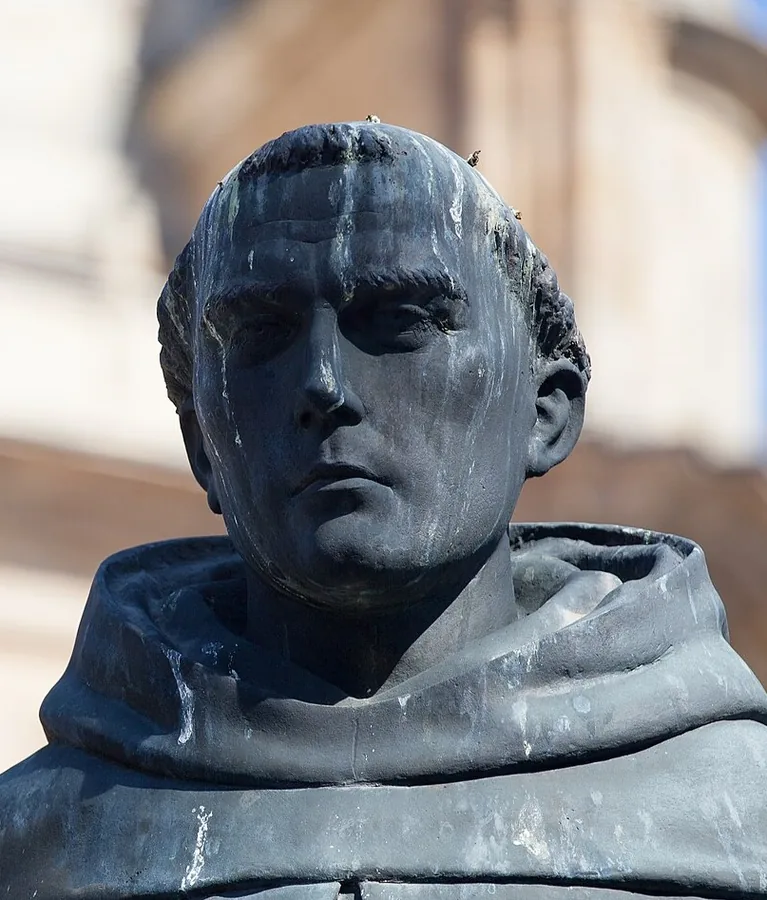 Francisco de VitoriaBrought the Summa into the lecture hall at Salamanca in 1526.Dominican · no works here yet
- 1494–1560
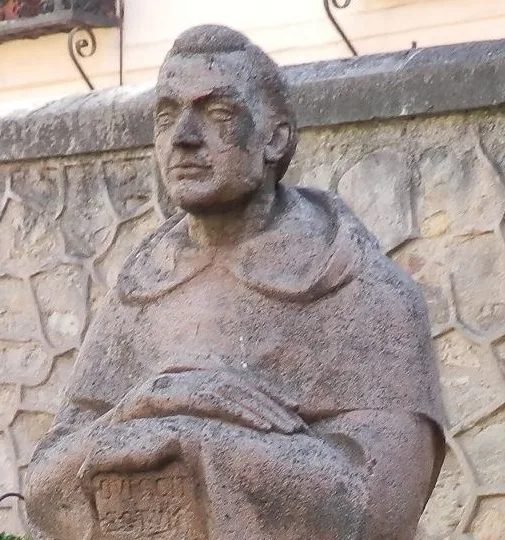 Domingo de SotoDe iustitia et iure, and the theology of the Council of Trent.Dominican · Latin, English
- 1509–1560
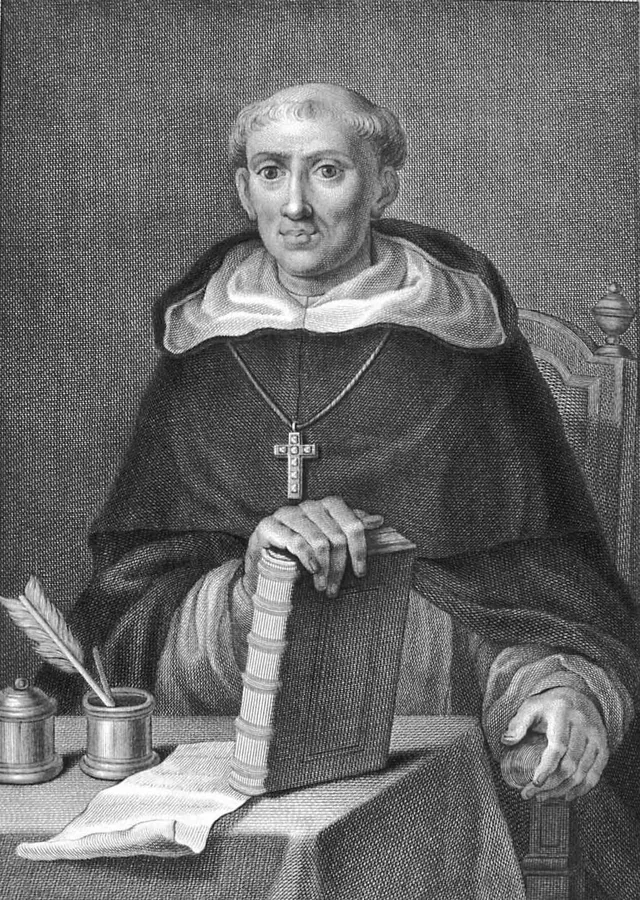 Melchor CanoDe locis theologicis: where theology finds its arguments.Dominican · Latin, English
- 1527–1580
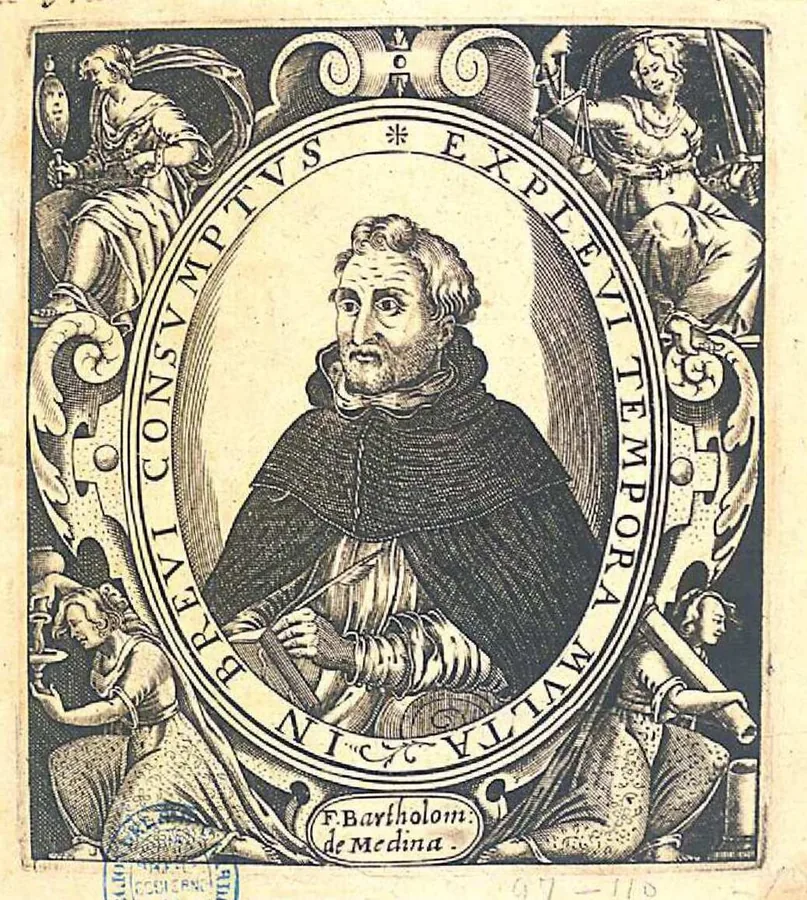 Bartolomé de MedinaBáñez's predecessor in the prime chair at Salamanca; his commentary on the Prima Secundae (1577) first stated probabilism.Dominican · no works here yet
- 1528–1604Domingo BáñezCommentaries on the Summa, and the Thomist voice on grace in the de auxiliis controversy.Dominican · Latin, English, Spanish
- c. 1550–1631Diego ÁlvarezDe auxiliis: twelve books on grace and free choice, Rome 1610.Dominican · Latin, English
- 1589–1644
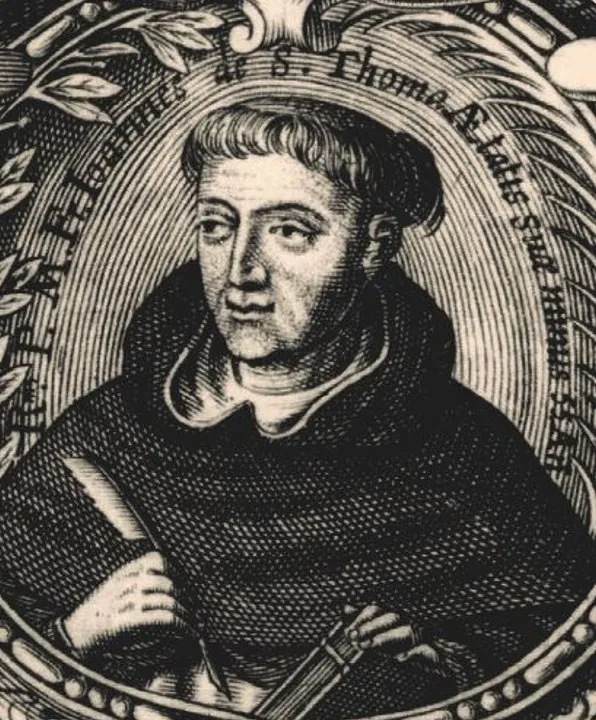 John of St ThomasThomas set out as a complete course of philosophy, and a theological course on the Summa.Dominican · Latin, English, Spanish
- 1631–1712The SalmanticensesThe Discalced Carmelites of Salamanca: a Cursus theologicus written across generations.Carmelite · Latin, English
- 1616–1681Jean-Baptiste GonetThe Clypeus theologiae thomisticae: the school's shield, raised at Bordeaux.Dominican · not yet in the library
- 1685–1757
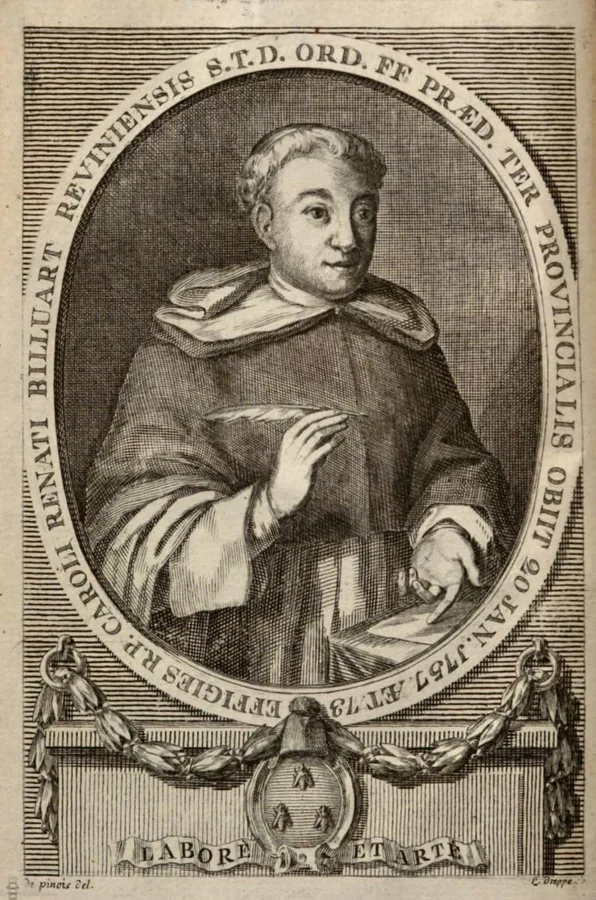 Charles René BilluartThomas fitted to the schools of his day, and the Summa summae that condenses it.Dominican · Latin, English
The revival
After Aeterni Patris (1879) Thomas returned to the seminaries and the universities, and the arguments began again.
- 1871–1942Benedictus MerkelbachSumma theologiae moralis: Thomist moral theology for the modern seminary.Dominican · Latin, English
- 1873–1932
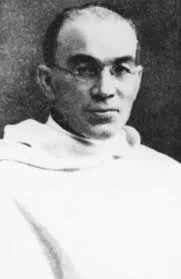 Francisco Marín-SolaHow dogma develops, argued from Thomist principles.Dominican · English, Spanish
- 1877–1964Réginald Garrigou-LagrangeTaught at the Angelicum for fifty years: the commentators' Thomas, from metaphysics to mystical theology.Dominican · not yet in the library
- 1882–1973Jacques MaritainA convert from Bergson, who carried Thomas into art, politics and human rights.not yet in the library
- todayThe next reader of ThomasThe line continues with whoever reads, translates or corrects these texts now.Read, translate or correct a text of the school →
Further reading
- Romanus Cessario, A Short History of ThomismThe whole school, from Thomas's first defenders to the twentieth century.
- Leo XIII, Aeterni PatrisThe encyclical of 1879 that sent the Church back to Thomas.
- “Thomas Aquinas”, Stanford Encyclopedia of PhilosophyThe master's philosophy, with a guide to his works.