Author
Anselm of Canterbury
1033–1109
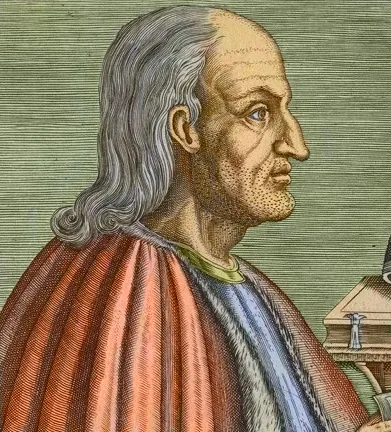
Anselm (1033–1109) was born at Aosta in northern Italy and became a Benedictine monk at the abbey of Bec in Normandy, drawn there by the teacher Lanfranc. He became prior and then abbot of Bec, and in 1093 succeeded Lanfranc as Archbishop of Canterbury. His defence of the Church's liberty against William II and Henry I twice sent him into exile. He was declared a Doctor of the Church in 1720.
Anselm's method, faith seeking understanding, sets out to show the reasonableness of what is already believed, arguing as far as possible without appeal to authority. The Proslogion's argument that God is that than which nothing greater can be thought was discussed and criticized throughout the scholastic period, notably by Thomas Aquinas; Why God Became Man gave the Latin West its classic account of the satisfaction made by Christ.
The library holds the Monologion, the Proslogion and Why God Became Man. The Proslogion is short and is the best place to start; Why God Became Man shows the same method applied to the Incarnation.
Works
Texts currently available in the library.
Monologion
1076Anselm's extended rational meditation on the divine essence, creation, the Word, and the Trinity.
Proslogion
1078Anselm's prayerful inquiry into God's existence and attributes, written as faith seeking understanding.
Why God Became Man
1098Anselm's dialogue with Boso on the fittingness and necessity of the Incarnation and Christ's satisfaction for humanity.